Introduction
Our commitment to sustainability
Sustainability is at the heart of our proposals to support a greener future. We have carefully considered how to integrate both council and Hill’s sustainability objectives into this development to ensure a legacy for the future. We will:
- Utilise a ‘Fabric First’ approach to new homes with U-values (a measure of how well walls, roofs, and windows retain heat) that exceed Building Regulations targets and will minimise carbon emissions.
- The development will be entirely gas-free and will incorporate renewable energy such as Air Source Heat Pumps.
- Water saving measures to keep water usage of each home to 110 litres per person per day.
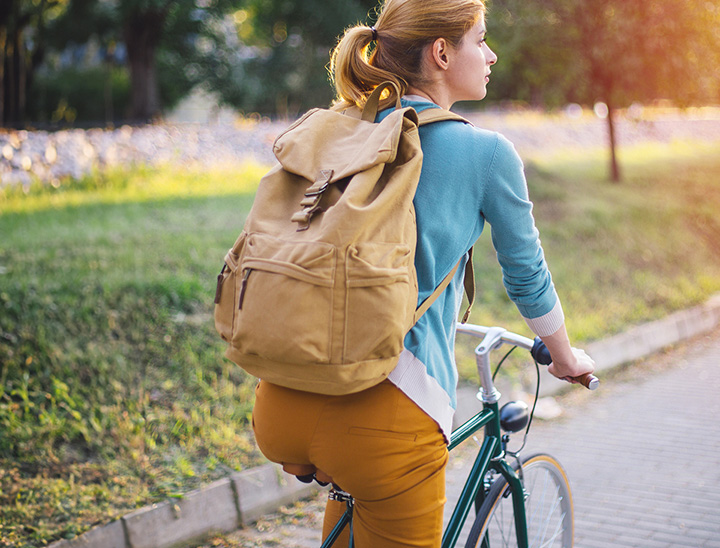
- Promote sustainable travel through enabling the use of public transport and providing access to existing walking routes and new bus stops.
- All homes will have access to one Electric Vehicle (EV) charging point each and there will be provision for cycle storage to encourage the use of alternative modes of transport to the car.
Flood mitigation
Sustainably designed surface water management to help prevent flooding
The proposals have been designed to effectively manage surface water. The Flood Risk Assessment places the site in Flood Zone 1, showing there is a low probability of flooding.
The proposed surface water drainage strategy will use sustainable urban drainage systems (SuDS) to capture, control and release water generated on-site, mimicking the current natural drainage with infiltration back into the ground in accordance with the drainage hierarchy.
The system will be designed to manage severe weather that happens very rarely, such as a 1-in-100-year storm event and to account for climate change and potential urban creep on the development.
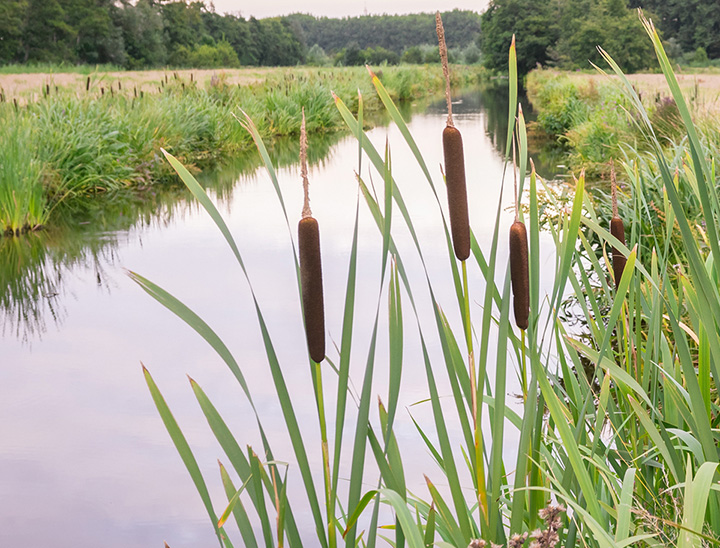
By reducing the amount of hard, impermeable surfaces across the site, the plans will significantly reduce surface water runoff to the River Oughton.
This means the development will actually improve local drainage and lower the risk of flooding, helping to create a greener, more resilient environment for both new and existing residents.
The proposed SuDS features will be designed to also promote biodiversity and provide amenity benefits through an attractively planted detention basin, which will include new rich planted habitats.